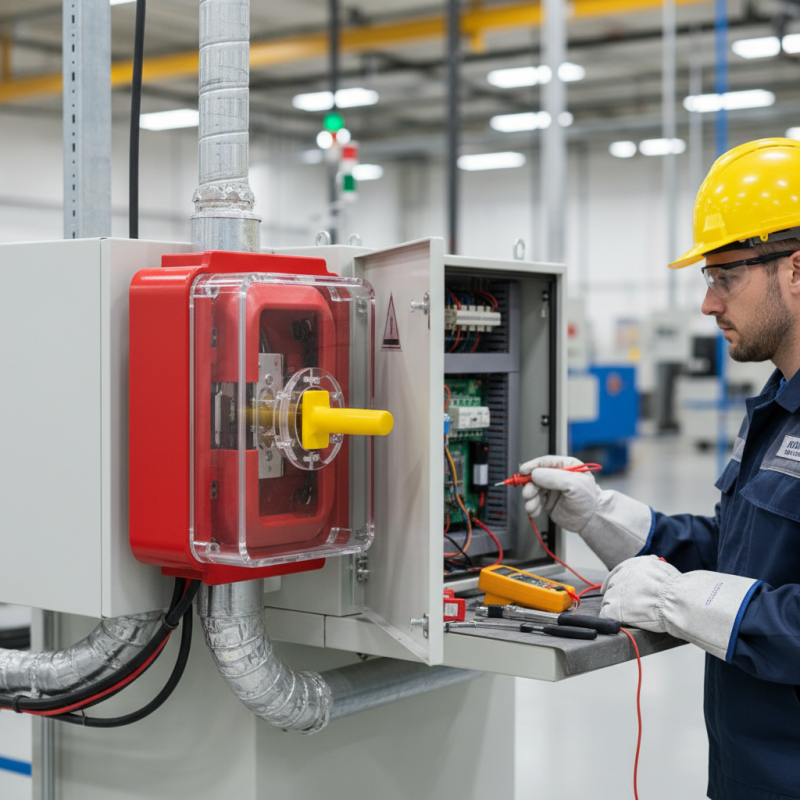
How to Use an Isolation Switch for Electrical Safety?
When it comes to electrical safety, an Isolation Switch is essential. This device ensures that electrical equipment can be completely disconnected from the power source. By using an Isolation Switch, workers can prevent accidents during maintenance, reducing the risk of shock or fire.
Imagine a technician repairing a faulty circuit. If they rely on a simple switch, they may still face dangers. An Isolation Switch provides peace of mind. This switch visibly isolates the power, allowing safe work environments.
However, using an Isolation Switch also requires awareness. Not everyone uses it properly. Some might ignore the need for disconnection, leading to unintentional hazards. It's not just about having the switch; it’s about understanding its function. Emphasizing the importance of proper use can improve safety protocols. Implementing these practices can change existing flaws in workplace safety.
Understanding the Purpose of an Isolation Switch in Electrical Systems
An isolation switch plays a crucial role in electrical systems. Its primary purpose is to disconnect a circuit safely. This disconnection helps protect equipment and personnel from electrical hazards. When performing maintenance or repairs, it is vital to isolate the circuit from the power supply. Without this step, the risk of electric shock is significantly increased.
Understanding how to use an isolation switch is essential for safety. It is not just about flipping a switch. Awareness of the entire electrical system is necessary. Users must identify which switch controls which circuit. This can be confusing if not properly labeled. Regular training and clear guidelines can help address such challenges.
Isolation switches should be within easy reach and clearly marked. In some situations, they may be hard to access. This can lead to unsafe practices. For instance, people might attempt to work on live equipment. This behavior underscores the need for proper usage and understanding of the switch's purpose. Creating a culture of safety around these devices is important for everyone involved.
Identifying Different Types of Isolation Switches Available
Isolation switches are crucial for electrical safety. They come in various types, each serving distinct purposes. Understanding these types can help you choose the right one for your needs.
One common type is the rotary isolation switch. It is typically round and allows you to turn the power off easily. Many people find it user-friendly. However, it requires proper installation. If not installed correctly, it may fail during use. Always check connections and ensure they are tight.
Another type is the knife switch. This switch has metal blades that slide into place. It’s easy to identify and operate. However, its exposed nature means it can be dangerous if mishandled. Safety precautions are essential. Use insulated tools when working near this switch.
**Tips:** Always label your isolation switches clearly. This helps prevent accidental shutdowns. Regularly inspect your switches for wear and tear. Replace any faulty components without delay. Being proactive can save you from larger issues later. Remember, understanding your equipment ensures safety.
How to Use an Isolation Switch for Electrical Safety? - Identifying Different Types of Isolation Switches Available
| Type of Isolation Switch | Description | Typical Applications | Safety Features |
| Manual Isolation Switch | A switch operated manually to disconnect electrical equipment from the power supply. | Maintenance work, repair tasks. | Locked in open position, visible disconnection. |
| Automatic Isolation Switch | A switch that automatically disconnects the circuit in case of fault conditions. | Protective circuits, overload conditions. | Trip mechanism, reset capability. |
| Rotary Isolation Switch | A switch that operates by a rotating action, suitable for higher currents. | Industrial equipment, larger machinery. | Robust design, clear on/off indicator. |
| Push Button Isolation Switch | A switch activated by pressing a button, commonly used for emergency shut-down. | Safety systems, emergency circuits. | Immediate disconnection, often marked in red for visibility. |
| Fuse Isolation Switch | A combination of a switch and fuse for circuit protection and isolation. | Power distribution, motor control centers. | Fusible protection, visible isolation position. |
Steps to Properly Install an Isolation Switch for Safety
Installing an isolation switch correctly is crucial for electrical safety. A well-placed isolation switch can prevent accidents during maintenance or emergency situations. According to the National Fire Protection Association, electrical failures contribute to over 50,000 home fires annually. An isolation switch can offer a practical solution.
To start, select a suitable location for the isolation switch. It should be easily accessible but away from moisture. The switch should be clearly marked. Users often underestimate the importance of labeling. A visible label ensures that everyone knows its function. Install the switch as per local electrical codes to ensure compliance. This often requires consulting with a certified electrician.
Wiring the isolation switch requires attention to detail. Ensure the power is turned off before making any connections. Use the right gauge of wire per the installation guidelines. According to industry standards, improper wiring can lead to significant hazards. Also, consider the switch rating. It must handle the load it will interrupt. If unsure, seek advice from a qualified professional. That's often a better choice than a trial-and-error approach.
Isolation Switch Usage and Safety Compliance
Best Practices for Using an Isolation Switch Effectively
Using an isolation switch effectively is essential for electrical safety. Understanding the device helps reduce accidents. According to recent reports, electrical accidents cause over 1,000 fatalities annually in various industries. Misuse of equipment often leads to serious injuries or even death.
Practicing safe operations improves overall workplace safety. Always ensure that the isolation switch is clearly labeled. Workers should easily identify the switch's function. The absence of adequate signage increases risks. A survey revealed that 40% of employees are unsure about the location of emergency switches in their workplaces. Regular training sessions can address this knowledge gap.
It is critical to inspect isolation switches regularly. Wear and tear can compromise their function. A maintenance program can decrease the chance of failure. Research indicates that equipment failures account for up to 30% of workplace incidents. Workers should feel empowered to report damaged switches immediately. Timely action prevents accidents and enhances safety for everyone.
Regular Maintenance and Inspection of Isolation Switches for Longevity
Regular maintenance and inspection of isolation switches are crucial for ensuring electrical safety. According to the National Fire Protection Association (NFPA), faulty electrical connections are a leading cause of fires. Isolation switches play a key role in preventing such incidents by effectively disconnecting power when necessary. However, neglecting their upkeep can lead to hazardous situations. Routine checks can identify wear and tear that may compromise safety.
Tips: Check isolation switches at least once every six months. Look for signs of corrosion or damage. If you find any issues, consult a professional. Simple actions can prevent big problems.
During inspections, focus on the switch function. Ensure it operates smoothly and that the mechanisms are free from debris. Many workers underestimate the importance of clean contacts. A study from the Electrical Safety Foundation International (ESFI) highlighted that 40% of electrical accidents are linked to preventable issues. Regular maintenance helps extend the life of isolation switches, yet many individuals overlook this step.
Tips: Keep a detailed log of inspections. This record can help identify patterns in wear and lead to proactive measures. Investing time in maintenance pays off in safety. A small effort can lead to significant improvement in overall system reliability.