Ultimate Tips for Choosing the Right Ball Bearing?
When selecting a Ball Bearing, the choices can be overwhelming. Ball bearings come in various sizes, materials, and specifications. Each type serves a specific purpose. Understanding these differences is crucial for making the right choice.
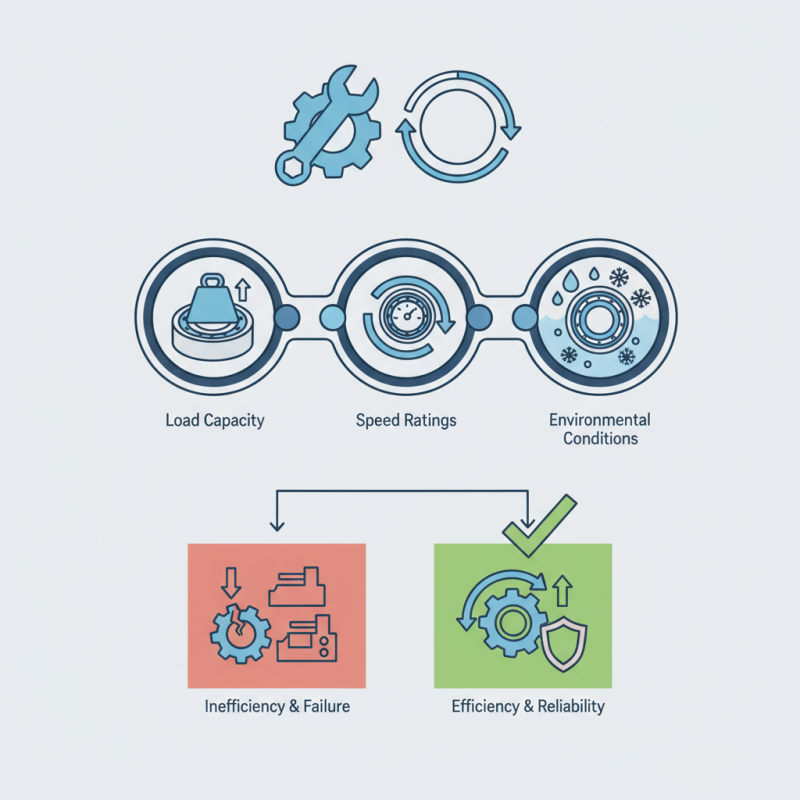
The performance of machines often depends on the quality of their ball bearings. A poor selection can cause inefficiency. It may lead to equipment failure or increased maintenance costs. Small details can significantly impact performance. It’s not always a straightforward decision.
Many factors need consideration. Load capacity, speed ratings, and environmental conditions play a role. It’s natural to feel uncertain. With thoughtful evaluation, you can avoid common mistakes. The right ball bearing will enhance your application, improving efficiency and reliability.
Understanding the Basics of Ball Bearings and Their Functions
Ball bearings are essential components in various machinery. They reduce friction between moving parts, allowing for smoother operation. The basics of ball bearings involve understanding their structure. Typically, they consist of an inner and outer race, balls, and a cage. Each component plays a crucial role in how the bearing functions.
When selecting a ball bearing, it’s vital to consider load capacity and speed. Different applications may require specific types of bearings. For instance, high-speed applications often need bearings with minimal resistance. However, some users overlook the importance of lubrication. Proper lubrication minimizes wear and prolongs bearing life. Choosing the wrong type of lubricant can lead to premature failure.
Additionally, it is often tempting to prioritize cost over quality. This can result in regret when a cheaper bearing fails early. The right ball bearing should balance performance and affordability. Paying attention to details now can save future headaches. Understanding the basics empowers you to make informed decisions for your needs.
Identifying Different Types of Ball Bearings and Their Applications
Choosing the right ball bearing requires understanding their types and applications. There are numerous types, including deep groove, angular contact, and thrust bearings. Each type has unique features that make it suitable for specific tasks. For instance, deep groove ball bearings excel in radial and axial loads. They are commonly found in electric motors and automotive applications.
In a recent industry report, it was noted that deep groove bearings account for around 70% of all bearings used in manufacturing. Angular contact bearings, with their ability to handle higher speeds and combined loads, are essential for precision machinery. In contrast, thrust bearings are designed to manage axial loads, making them ideal for heavy equipment.
The choice of materials also impacts performance. Steel, ceramic, and plastic bearings each bring distinct advantages. Steel bearings are robust but may corrode. Ceramic bearings resist wear but can be brittle. This complexity means you should carefully assess your application needs. Be aware that selecting the wrong type can lead to increased friction and failure. Proper research is essential.
Ultimate Tips for Choosing the Right Ball Bearing
Key Factors to Consider When Selecting Ball Bearings
When selecting ball bearings, it's essential to understand the application specifics. Consider the load type: radial, axial, or a combination. Each bearing is designed to handle different forces. A radial load requires a different approach than an axial load. It is vital to match the bearing design with its intended use. Failure in this aspect can lead to premature wear or even catastrophic failure.
Another critical factor is the material of the bearing. Common materials include steel, ceramic, and plastic. Each offers distinct advantages and disadvantages. For instance, steel is robust but might corrode over time. Ceramic alternatives resist wear but can be brittle. It's vital to reflect on your environment—will moisture or contaminants affect performance? Longevity can hinge on these choices.
Don’t overlook the dimensioning of the bearing. Size impacts everything, from load capacity to friction. A bearing that is too small may heat up quickly. Conversely, an oversized bearing may waste space and add weight. These decisions are often not straightforward and require careful consideration. Collectively, these factors play a crucial role in the effective selection of ball bearings.
Evaluating Quality and Reliability of Ball Bearing Manufacturers
When evaluating ball bearing manufacturers, quality and reliability are key. Look for companies that have robust testing procedures. This ensures that the bearings meet stringent standards. Certifications can also indicate quality. ISO standards are often a positive sign. However, not all manufacturers display these credentials clearly.
Examine reviews and feedback from various sources. Customer testimonials can reveal real-life performance insights. Yet, be cautious of misleading positive reviews. A mix of opinions can help paint a clearer picture. Additionally, consider the materials used in the bearings. High-quality steel or ceramics often lead to longer lifespans and increased durability.
Look for manufacturers that offer a warranty. This reflects confidence in their products. If an issue arises, a reliable company will address it promptly. Communication is crucial; responsive support teams are often a good sign. Lastly, trust your instincts. If something feels off during your research, take a step back and reassess your options.
Maintenance Tips for Maximizing the Lifespan of Ball Bearings
Maintaining ball bearings is crucial for their longevity. Regular inspection is a must. Check for corrosion or unusual wear. Listen for grinding noises; they can indicate a problem. If you notice any issues, it’s time for maintenance.
Lubrication plays a vital role in bearing lifespan. Use the correct type of lubricant, and apply it appropriately. Too much or too little can lead to failure. Most bearings need lubrication every three to six months, depending on their use. Consider the environment too—dust and moisture are enemies.
Storage also matters for ball bearings. Keep them in a clean, dry place. Humidity can cause rust. Moreover, avoid stacking heavy items on top of them. This can deform the bearings. It’s easy to overlook these details, but doing so can save you from costly replacements.
Ultimate Tips for Choosing the Right Ball Bearing
| Dimension | Value | Tip |
| Inner Diameter | 10 mm | Ensure it fits the shaft precisely. |
| Outer Diameter | 30 mm | Check it fits within the housing. |
| Width | 9 mm | Proper width ensures stability. |
| Material | Stainless Steel | Ideal for corrosion resistance. |
| Load Rating | 500 N | Select a bearing that exceeds expected load. |
| Speed Rating | 3000 RPM | Choose according to your application speed. |
| Lubrication Type | Greased | Regular maintenance for longevity. |
| Seal Type | Rubber Seal | Provides protection against dirt. |