What is a Robot Coffee Shop and How Does it Work?
In recent years, the concept of a Robot Coffee Shop has gained popularity. These automated cafes blend technology and the everyday coffee experience. Customers can enjoy their favorite beverages without human interaction. The robots handle tasks from brewing to serving.
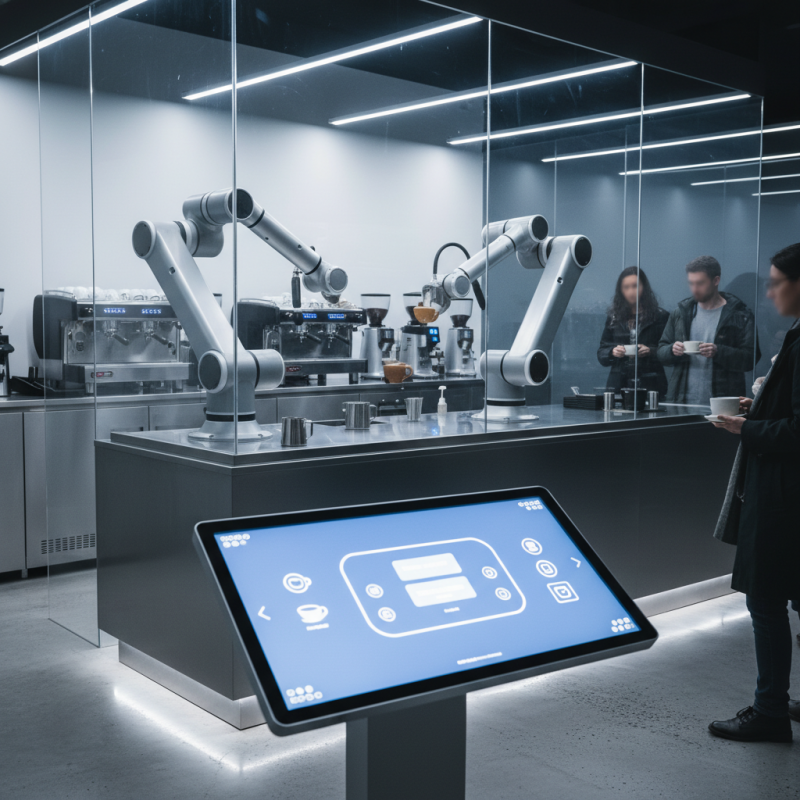
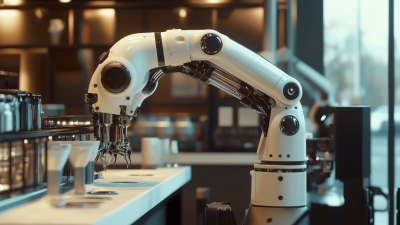
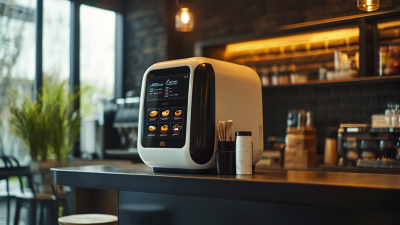
A Robot Coffee Shop operates with advanced machines designed for efficiency. Ordering is usually done through a touchscreen. Customers select their drinks, paying securely. Then, robotic arms prepare each order meticulously. This process offers a glimpse into the future of service.
However, reliance on machines raises questions. Can robots truly replicate the warmth of a barista? Some customers miss the personal touch in their coffee experience. A Robot Coffee Shop may be efficient, but it can feel impersonal. This evolving trend invites us to reflect on what we value in our daily routines.
What is a Robot Coffee Shop?
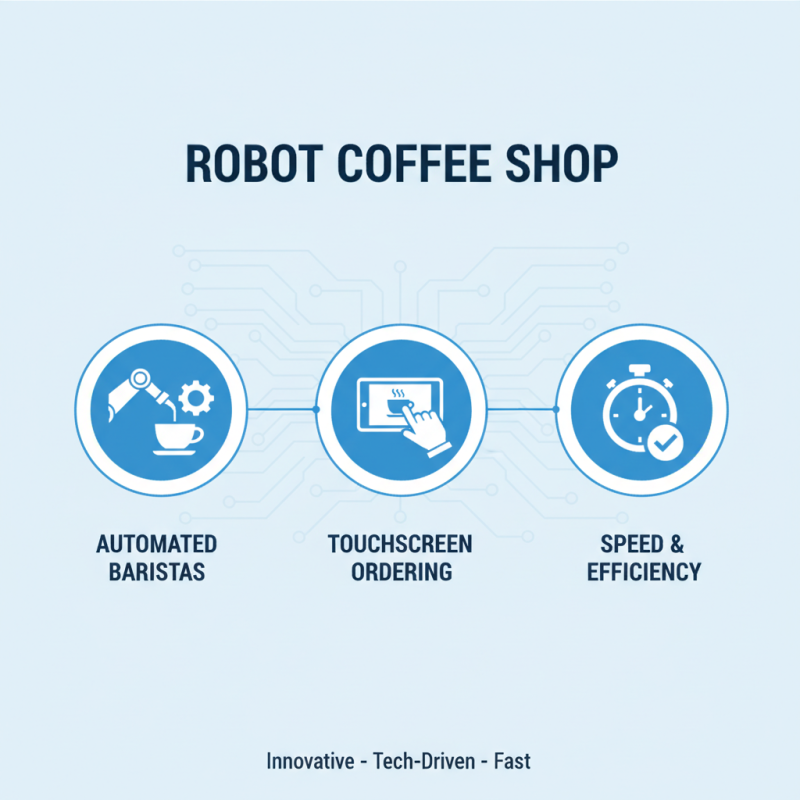
A robot coffee shop is an innovative concept where machines prepare and serve coffee. These coffee shops utilize automated systems to streamline the brewing process. Customers can place orders through a touchscreen interface. This tech-driven approach offers speed and efficiency.
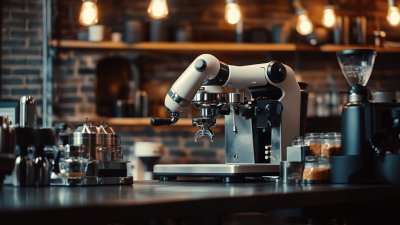
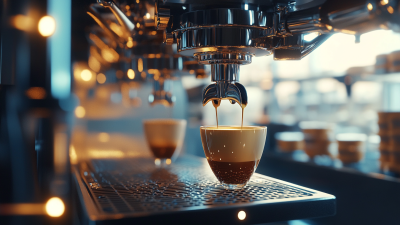
Inside, you may see robots moving swiftly. They grind beans, brew coffee, and even pour latte art. The experience can be mesmerizing, watching machines work in harmony. However, there can be glitches. Sometimes a robot may misplace an order or spill a drink. Not every interaction is perfect. It raises questions about the personal touch of human baristas.
While robot coffee shops are fascinating, they may lack warmth. The absence of human interaction can feel alienating. Customers might miss friendly conversations or personalized service. These shops redefine our coffee experience, but they also invite reflection on what we value most in social settings. Is efficiency worth sacrificing the human connection?
History and Evolution of Robot Coffee Shops
The concept of robot coffee shops has evolved significantly over the years. Initially, the idea was just a novelty. Simple machines would dispense coffee but lacked sophistication. Early attempts often resulted in inconsistent quality. People questioned if a machine could match a skilled barista's touch.
As technology advanced, robot coffee shops began to feature more complex systems. They integrated artificial intelligence and automated brewing techniques. This shift allowed for precise measurements and replicable flavors. Customers started to appreciate this consistency. Yet, some felt detached from the experience. The warm interaction with a human was often missing.
Today, robot coffee shops are gaining popularity. They offer convenience and efficiency. However, challenges remain. Not every machine can handle customer preferences effectively. Some cafes have faced technical issues, leading to frustration. Finding the right balance between automation and human interaction poses a question for the future. The evolution continues, reflecting our relationship with technology and coffee culture.
How Robot Coffee Shops Operate: Key Technologies
Robot coffee shops are transforming the way we enjoy our daily brews. These innovative establishments utilize advanced technologies to prepare and serve coffee with minimal human intervention. According to a report by MarketsandMarkets, the global market for robotic coffee machines is projected to reach $2.6 billion by 2025, reflecting a growing interest in automation within the food and beverage sector.
At the heart of these coffee shops are robotic baristas. They are equipped with state-of-the-art brewing systems, artificial intelligence, and machine learning capabilities. A robotic barista can recognize orders through touch screens or mobile applications. In some cases, it can even engage with customers using natural language processing. However, these systems are not without challenges. For instance, maintaining the quality of coffee can be tricky. Different beans require specific brewing techniques, which robotic systems may not always replicate perfectly.
Additionally, logistics play a critical role. The automation of coffee preparation must be efficiently integrated with inventory management. Reports suggest that 65% of consumers feel that consistency is key to their coffee experience. If a robot misses the mark, customer satisfaction may decline. Balancing technology with personal touch remains a dilemma for many operators in this growing market. As robot coffee shops evolve, the need for continual improvement and adaptation becomes crucial.
Advantages of Robot Coffee Shops Over Traditional Cafés
Robot coffee shops present a unique advantage over traditional cafés. They reduce labor costs significantly. According to a report from the International Journal of Hospitality Management, labor costs can account for around 30% of a café's operational expenses. Automation can decrease these expenses by up to 50%. This change can lead to lower prices for consumers and higher profit margins for these businesses.
Additionally, robot coffee shops can operate 24/7 without breaks. Research from the National Coffee Association shows that a significant portion of coffee sales occurs outside of traditional hours. With robots, shops can cater to night owls or early risers seamlessly. This extended availability can boost sales and attract a wider customer base. However, some patrons still prefer human interaction. An article from the Journal of Consumer Research notes that many customers value personal connection over efficiency.
The technology itself offers quick service. Basic drinks can be prepared in just minutes. However, crafting specialty drinks may require more precision. Not all robot coffee shops can meet diverse customer preferences. A balance between automation and personal service may still be necessary. As this industry evolves, the core customer preferences will shape how these shops develop.
What is a Robot Coffee Shop and How Does it Work? - Advantages of Robot Coffee Shops Over Traditional Cafés
| Feature |
Robot Coffee Shop |
Traditional Café |
| Operating Hours |
24/7 |
Limited hours |
| Staffing Costs |
Lower |
Higher |
| Order Processing Time |
Quick (seconds) |
Longer (minutes) |
| Consistency |
High |
Variable |
| Customer Interaction |
Minimal |
Personalized |
| Space Requirement |
Compact |
Larger |
| Initial Investment |
High |
Varies |
| Customer Experience |
Novelty |
Comforting |
Future Trends and Innovations in Robot Coffee Shops
The rise of robot coffee shops signals a shift in how we experience coffee. These cafes utilize robotic systems to brew and serve. Data shows the global market for automated coffee solutions is projected to reach $3.6 billion by 2026. This growth reflects not just convenience but also the appeal of novelty in our daily rituals.
Future innovations are expected to focus on personalization. Imagine a robot that knows your preferred brew strength and flavor profile. Some reports indicate that 70% of consumers are interested in customized coffee experiences. However, while robots excel in consistency, they lack the human touch. The challenge is balancing automation with genuine customer interactions. A robotic barista can’t engage in small talk like a human.
Moreover, sustainability remains a concern. Automated systems can reduce waste but understanding the environmental impact is crucial. Many robot coffee shops are exploring eco-friendly packaging. Yet, the reliance on technology raises questions about job displacement. Communities will need to adapt as these innovations unfold. There's a lot to learn, and improvements are essential.
Robot Coffee Shop Innovations: Operational Efficiency and Customer Satisfaction