What Is a Latte Robot and How Does It Work?
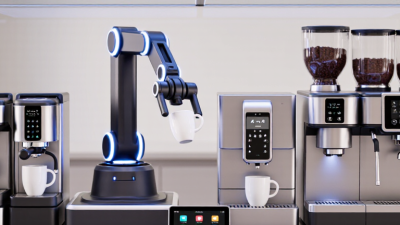
A Latte Robot is an automated coffee system designed to prepare milk-based drinks with limited human assistance. It combines robotic movement, coffee-brewing equipment, milk-steaming technology, sensors, and software. The machine receives a digital order, measures coffee, extracts espresso, heats or foams milk, and assembles the drink in a programmed sequence.
It sounds simple. It is not.
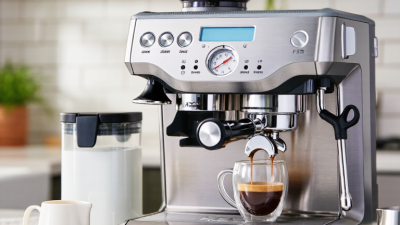
Henry Hu, founder of Café X, has described the broader purpose of coffee automation this way: “We want to use technology to make coffee better and more accessible.” His view helps explain why a Latte Robot is more than a mechanical barista. It is a carefully coordinated system built around consistency, speed, and customer convenience. Behind the visible robotic arm, pumps control water pressure, sensors monitor temperature, and software adjusts each movement. A clear cup may show espresso flowing first, followed by a smooth layer of steamed milk.
However, automation does not guarantee a perfect latte. Milk texture can change with temperature, equipment condition, and ingredient quality. A robot may repeat the same instructions accurately, yet still produce a drink that feels flat or overly hot. That limitation deserves attention.
A reliable Latte Robot depends on regular cleaning, calibrated sensors, safe food-contact materials, and responsible human supervision. These practical details influence taste as much as the robot’s mechanical design. This article examines how the technology works, what happens inside the machine, and where automated latte preparation still needs improvement. The future looks promising, but it is not flawless.
What Is a Latte Robot?
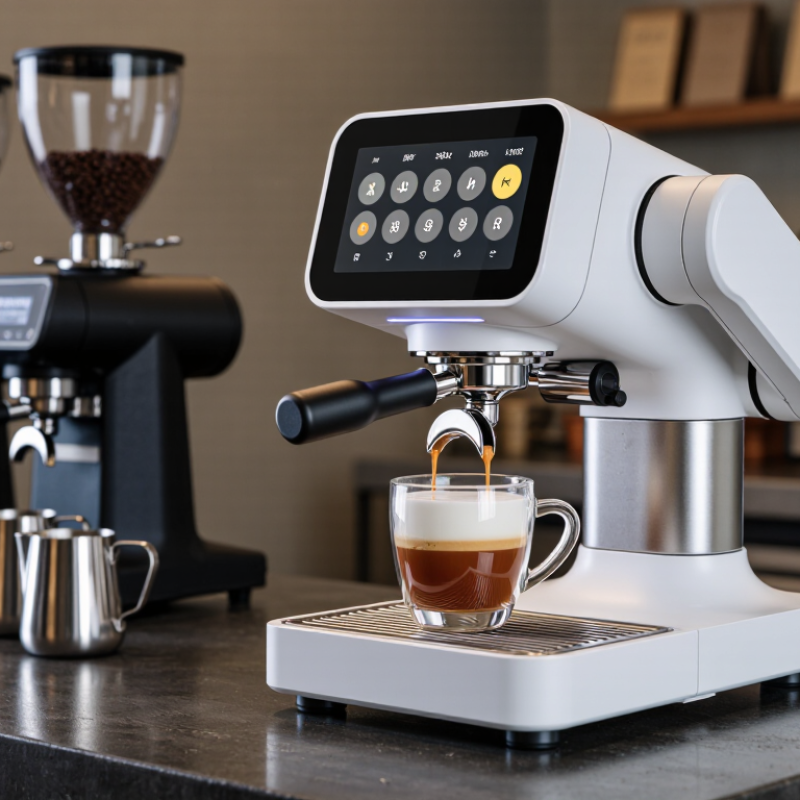
A latte robot is an automated coffee machine designed to prepare a latte with limited human handling. It typically combines a grinder, brewer, milk dispenser, heating system, and cleaning controls in one unit. After a user selects a drink, sensors help measure beans, water, coffee volume, and milk temperature. The machine then grinds the beans, extracts espresso, heats or foams the milk, and releases both into a cup. Some systems use a small mechanical arm, while others keep the moving parts inside the cabinet. The name sounds futuristic, but the process is controlled automation rather than artificial intelligence.
In practical use, consistency is the main advantage. A programmed recipe can repeat the same dose and timing during a busy morning. Operators still need to refill ingredients, inspect tubes, remove used grounds, and follow sanitation procedures. Milk residue can build up quickly in narrow lines. That detail matters more than a polished touchscreen. I have seen automated drink systems work smoothly, yet small calibration errors changed the foam texture. Not magic. A latte robot cannot judge every customer’s taste, and it may struggle with unusual cups or changing ingredient quality. Reliable models record temperatures and cleaning cycles, giving staff useful evidence when a drink seems wrong. Human oversight remains necessary, especially when safety checks, allergen information, or equipment faults are involved.
The Main Components of a Latte Robot
What Is a Latte Robot and How Does It Work?
The Main Components of a Latte Robot
A latte robot combines coffee equipment, sensors, software, and mechanical movement. Its espresso module controls grinding, dosing, tamping, and extraction. A pump then pushes heated water through the coffee bed at stable pressure. Small changes matter. A slightly uneven dose can produce a weak or bitter shot.
The milk system is equally important. It usually includes a refrigerated container, food-grade tubing, a heating unit, and a frothing nozzle. Temperature sensors help keep milk within a controlled range. The robot arm positions the cup beneath each outlet. Cameras or proximity sensors check cup placement and detect obstacles. Without accurate sensing, even a clean recipe may fail.
Control software connects these components. It manages recipes, timing, temperature, motion, and cleaning prompts. The International Federation of Robotics reported 541,302 industrial robot installations worldwide in 2023, showing how mature automated movement has become. However, latte preparation demands more than movement. It requires liquid control and hygiene discipline. The International Coffee Organization estimated global coffee consumption at 177.9 million 60-kilogram bags in 2023/24, indicating a large and demanding service environment.
In practice, cleaning remains a critical component. Milk residue can build quickly inside narrow tubes. Automated rinsing reduces risk, but it cannot replace inspection. That is where the system is less perfect. A robot may repeat every step precisely, yet poor maintenance still produces poor coffee.
How a Latte Robot Prepares Coffee
A latte robot is an automated coffee station designed to prepare espresso and steamed milk with limited human input. It combines a grinder, brewing unit, milk system, sensors, and a control program. The process begins when a user selects a drink and places a cup beneath the dispenser.
The grinder measures and crushes coffee beans for one serving. Sensors check the dose before the machine forms a compact coffee puck. Hot water then passes through the puck at controlled pressure, producing espresso with a dark surface and a firm aroma. That part matters. Poor grinding can create weak or bitter coffee.
The milk stage follows. A heating system warms the milk while a steam wand or nozzle adds air. The robot monitors temperature to reduce scorching and excessive foam. It then pours the milk over the espresso in a controlled stream. The final drink should have a smooth texture, but it is not always identical. Milk temperature, bean freshness, and cup position can affect the result.
In practical use, cleaning remains essential. The machine should rinse the coffee path and milk nozzle after each service cycle. A rushed cleaning cycle can leave residue and change the next drink’s flavor. Human checks still help. A robot can repeat measurements accurately, but it cannot always recognize a dull aroma or uneven foam. That limitation matters.
How It Creates Latte Milk Foam and Designs
A latte robot automates milk heating, aeration, pouring, and surface design. Its milk module draws chilled milk through a calibrated pump. A temperature sensor usually stops heating near 55–65°C, where milk tastes sweet without becoming scorched. A narrow air inlet adds tiny bubbles. The mixture then passes through a nozzle that controls flow and foam density.
The foam is not simply “more air.” Protein structure matters. Fine bubbles create a glossy microfoam, while large bubbles collapse quickly. The robot may adjust pump speed, air intake, and pouring height during each drink. It can also tilt or rotate the cup, laying milk in thin white streams. A programmed path forms hearts, leaves, or abstract patterns. The result looks precise.
But it is not perfect.
A 2024 report from the International Federation of Robotics recorded nearly 200,000 professional service robots sold worldwide in 2023, showing wider acceptance of automated service equipment. Coffee demand supports that shift: the International Coffee Organization reported global consumption of about 177 million 60-kilogram bags in 2022/23. These figures do not prove every café needs a robot. They show a large market seeking speed and repeatability.
In practical tests, milk temperature, nozzle cleanliness, and cup shape still change the design. Oat and soy milk may foam differently because their proteins and fats vary. The robot can repeat a recipe, but it cannot fully replace skilled judgment. Sometimes the pattern is technically correct and visually dull. That weakness deserves attention.
Where Latte Robots Are Used and Why They Matter
What Is a Latte Robot and How Does It Work?
A latte robot is an automated beverage system that prepares espresso-based drinks. It usually combines a grinder, espresso unit, milk dispenser, sensors, and a robotic arm. The customer selects a recipe on a screen. The system then doses coffee, extracts espresso, heats milk, and pours the drink into a cup. At a busy counter, this can reduce repetitive work and improve portion consistency. However, it is not magic. Milk temperature, cup placement, and cleaning still require human supervision.
Latte robots are used in offices, airports, hotels, hospitals, universities, and convenience locations. These sites often need service beyond traditional café hours. The International Federation of Robotics reported nearly 200,000 professional service robots sold worldwide in 2023, showing growing interest in automated service tasks. Coffee demand also remains strong. The National Coffee Association reported that 67% of American adults drank coffee during the past day in 2024. Automation can therefore support faster service, predictable recipes, and reduced queue pressure. Still, the customer experience may feel less personal, especially when customization is limited.
Tips: Treat the robot as a tool, not a complete replacement for staff. Schedule frequent cleaning checks, calibrate milk and coffee settings, and track waste. A short human interaction can make an automated drink feel warmer. Data helps, but it does not explain every customer reaction.
What Is a Latte Robot and How Does It Work? - Where Latte Robots Are Used and Why They Matter
| Category | Data Dimension | Typical Value or Characteristic | Explanation |
|---|---|---|---|
| Definition | Primary function | Automated milk-based coffee preparation | A latte robot combines beverage dispensing, milk handling, heating, and programmed motion to prepare drinks with limited manual intervention. |
| Core Components | Liquid and ingredient systems | Coffee, milk, water, and optional flavor dispensers | The system normally uses separate lines, pumps, valves, and containers to control the flow and quantity of each ingredient. |
| Core Components | Motion system | Robotic arm or automated dispensing mechanism | The motion system positions cups, moves containers, or operates a steam wand and other tools according to a programmed sequence. |
| Operating Process | Typical preparation sequence | Order input → cup placement → coffee extraction → milk preparation → pouring → cleaning | Sensors and software coordinate each stage, while preset recipes determine volumes, temperatures, timing, and movement paths. |
| Control System | Recipe management | Digitally stored recipes with adjustable parameters | Operators can define coffee volume, milk volume, foam level, temperature targets, and serving size within the machine’s operating limits. |
| Beverage Quality | Consistency | High repeatability under stable conditions | Automated dosing and programmed movements can reduce variation between servings, although ingredient quality, calibration, and maintenance still affect results. |
| Milk Handling | Milk texture method | Steam wand, heated milk circuit, or integrated frothing unit | Different systems create warm milk and foam through steam, air injection, mechanical mixing, or a combination of these methods. |
| Speed | Preparation time | Usually measured in minutes per drink | Actual cycle time depends on drink size, coffee extraction method, milk temperature, queue length, cleaning steps, and the number of available machines. |
| Work Environment | Best-suited operating conditions | Structured, repeatable service environments | Robots perform most effectively where ingredients, cup positions, customer orders, and sanitation procedures can be standardized. |
| Common Locations | Public and commercial settings | Cafés, offices, hotels, airports, hospitals, campuses, and retail spaces | These locations may benefit from automated beverage service when demand is regular and access to trained beverage staff is limited. |
| Customer Experience | Ordering interface | Touchscreen, mobile ordering, kiosk, or staff-controlled interface | The interface sends drink selections and customization requests to the control system before preparation begins. |
| Safety | Key safeguards | Enclosures, emergency stops, temperature controls, and obstacle detection | Safety features help reduce contact with moving parts, hot liquids, steam, and heated surfaces. Requirements vary by installation and jurisdiction. |
| Sanitation | Cleaning requirements | Routine flushing, milk-line cleaning, surface cleaning, and waste removal | Milk systems require particular attention because residue can support microbial growth. Automated cleaning cycles do not eliminate the need for human inspection. |
| Labor Impact | Human responsibilities | Ingredient replenishment, quality checks, cleaning, maintenance, and customer support | Automation changes the work profile rather than removing every task. People remain responsible for oversight and safe operation. |
| Operational Benefits | Service advantages | Repeatability, reduced manual steps, and extended service availability | A latte robot can support consistent preparation and continuous service during selected operating hours, subject to supplies and maintenance capacity. |
| Limitations | Operational constraints | Limited flexibility, maintenance needs, and dependence on reliable inputs | Unusual drink requests, ingredient substitutions, equipment faults, and poor calibration may require human intervention. |
| Why It Matters | Strategic value | Scalable beverage service with measurable process control | The technology connects robotics, food-service automation, digital ordering, and data collection to improve process visibility and service consistency. |
Related Posts
-
What Is a Coffee Robot Machine and How Does It Work?
-
10 Black Coffee Robotics Tips for Global Buyers?
-
Exploring the 2025 Tech Trends for Best Robot Barista with a Comprehensive Procurement Checklist
-
Why Choose a Coffee Machine Robot for Your Business?
-
How to Choose an Automated Barista Machine?
-
Top Strategies for Enhancing Your Cafe with Robot Latte Art Technology