How to Use RFID Card Effectively in Everyday Life?
In today’s fast-paced world, the RFID card has become a common tool in everyday life. This small card uses radio waves for various tasks. From access control in buildings to payment methods at stores, RFID cards simplify our routines. Many people rely on them without fully understanding their potential.
Using an RFID card effectively can enhance security and convenience. For instance, you can access offices, public transport, and even some hotels with just a swipe. However, not everyone maximizes the benefits of these cards. Some users may forget to safeguard their information. Others might be unaware of scams that target RFID technology.
While RFID cards offer ease of use, it’s essential to remain vigilant. Individuals should educate themselves about how to protect their data. It’s also wise to reflect on personal habits regarding card usage. By learning to use RFID cards wisely, you can truly enjoy their advantages while minimizing risks.
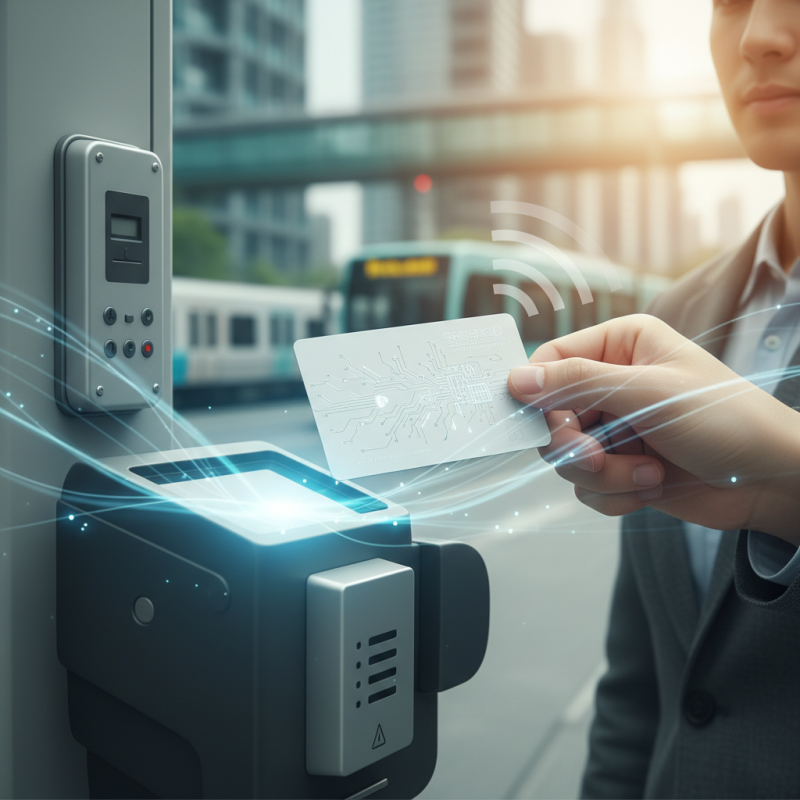
Understanding RFID Technology and Its Applications in Daily Life
RFID technology has become a part of our daily lives. This technology uses radio waves to identify and track objects. The global RFID market was valued at approximately $10 billion in 2020. Expected growth rates suggest it could reach over $45 billion by 2027. Such projections highlight its increasing relevance.
RFID cards have various applications. People use them for access control in offices and buildings. They're often found in loyalty programs as well. Many transport systems also utilize RFID for ticketing. It offers convenience but also raises privacy concerns. Around 60% of users worry about data security. Some are unsure how their information is managed.
Using RFID smartly can enhance daily routines. It simplifies tasks, but users should remain cautious. Not all RFID systems are equally secure. Some devices can be hacked or duplicated. Being aware of potential risks is important. Smart usage involves balancing convenience with security. Thus, while RFID cards are beneficial, careful handling is essential.
RFID Card Usage in Everyday Life
Benefits of Using RFID Cards for Personal and Professional Use
RFID cards have become essential in both personal and professional settings. They simplify tasks and streamline routine activities. For example, using an RFID card for public transport can speed up your daily commute. You simply tap the card, and you're on your way. This efficiency saves time, allowing you to focus on what really matters.
In a professional context, RFID technology enhances security and access control. Many workplaces use RFID cards for entry. Employees can quickly gain access to secure areas with a simple swipe. This system is not just fast; it also reduces the chances of unauthorized access. However, it is crucial to remember that not all systems are flawless. Sometimes, card readers may fail or delay, causing frustration.
Moreover, RFID cards can help you manage personal items. Consider using one to keep track of frequently lost items like keys or wallets. Attach a small RFID tag, and you can find them easily. However, relying entirely on technology can lead to complacency. There may be moments when you forget to keep track. It’s essential to think about how to balance technology with personal responsibility.
How to Select the Right RFID Card for Your Needs
When selecting the right RFID card for your needs, it's important to understand the different types available. There are passive, active, and semi-active RFID cards. Passive cards are commonly used for access control. They don’t have batteries, making them lightweight and cost-effective. Active cards, on the other hand, have a battery and can transmit at longer ranges. These might be suitable for tracking purposes.
Consider what you will use the card for. If it's for public transport, a simple passive card may suffice. If you need advanced functionalities like real-time tracking, an active card would be necessary. Don't forget about storage capacity. Some cards hold more data than others. Think about how much information you need.
However, choosing a card isn't just about functionality. It’s also about compatibility with your existing systems. Sometimes, a seemingly perfect card doesn't integrate well with current infrastructure. You might need to rethink your choice. Reflect on the long-term implications. A card that suits immediate needs may not perform well in the future. Make sure your decision supports your evolving requirements.
Best Practices for Securing Your RFID Card Data from Theft
RFID cards are convenient but can be vulnerable to data theft. To protect your information, consider using an RFID-blocking wallet. These wallets shield your cards, preventing unauthorized scans. Always ensure your wallet is zipped or securely closed to protect against accidental exposure.
Another effective method is to be mindful of where and how you use your RFID cards. Avoid placing your cards near public areas where they can be easily scanned. Keep them out of reach when not in use. This is crucial in crowded spaces like public transport. Pay attention to your surroundings. Look for suspicious individuals who might be too close for comfort.
Regularly monitor your bank statements and account activity. This habit can help you catch any unauthorized transactions early. If your card is lost or stolen, report it immediately. Don't wait, as delays can lead to bigger problems. Learning to be cautious now will save you headaches later. Reflect on your daily habits and make small changes for better protection.
How to Use RFID Card Effectively in Everyday Life? - Best Practices for Securing Your RFID Card Data from Theft
| Practice | Description | Benefit |
| Use RFID-Blocking Wallets | Utilize wallets that prevent RFID signals from reaching your cards. | Protects against unauthorized scanning and data theft. |
| Regular Monitoring | Check your bank and credit card statements regularly. | Quickly identify any unauthorized transactions. |
| Educate Yourself | Stay informed about the latest RFID threats and solutions. | Better preparedness against potential attacks. |
| Minimal Data Sharing | Limit sharing of RFID data unless necessary. | Reduces exposure to risks of data theft. |
| Use Strong Passwords | Set strong passwords for any online accounts linked to your RFID. | Enhances the security of online transactions. |
Innovative Uses of RFID Technology Beyond Access Control Systems
RFID technology offers innovative uses that extend beyond traditional access control systems. Imagine a world where your shopping experience becomes seamless. Imagine walking into a store, and your selected items are automatically added to your cart. With RFID tags on products, the checkout process is almost instantaneous. No more long lines or fumbling with cash. Still, it raises questions about privacy. How secure is your data?
In the healthcare sector, RFID plays a critical role. Hospitals use RFID to track equipment and medication. This reduces errors and ensures patient safety. However, challenges remain. Staff may struggle with adapting to this technology. Some may feel overwhelmed by the change. Efficient training programs are crucial for success. Tracking isn't just about saving time; it's about enhancing lives. Yet, the effectiveness of this system can only improve through continuous feedback and adjustment.