How to Choose the Best Robot Barista for Your Coffee Shop?
As the coffee shop industry evolves, many are turning to technology for innovation. The rise of the "Robot Barista" exemplifies this trend. Reports indicate that the global coffee machine market, particularly in automation, is projected to reach $4.5 billion by 2027, reflecting a significant shift in consumer preferences. This shift is largely driven by the demand for efficiency and consistency in beverage quality.
Robot Baristas promise quick service and uniform drink preparation. They minimize human error, offering great potential for enhancing customer satisfaction. However, choosing the right Robot Barista isn't just about automation. It's vital to consider factors like machine reliability, maintenance needs, and the overall customer experience. Many shop owners face challenges when integrating this technology, often overlooking the importance of staff training and customer interaction.
While the benefits are clear, some may question the impact of automation on job opportunities. Balancing technology and human connection is crucial for success. A Robot Barista can enhance efficiency but should complement rather than replace traditional baristas. Ultimately, thoughtful evaluation and planning are key to finding the best Robot Barista for your coffee shop.
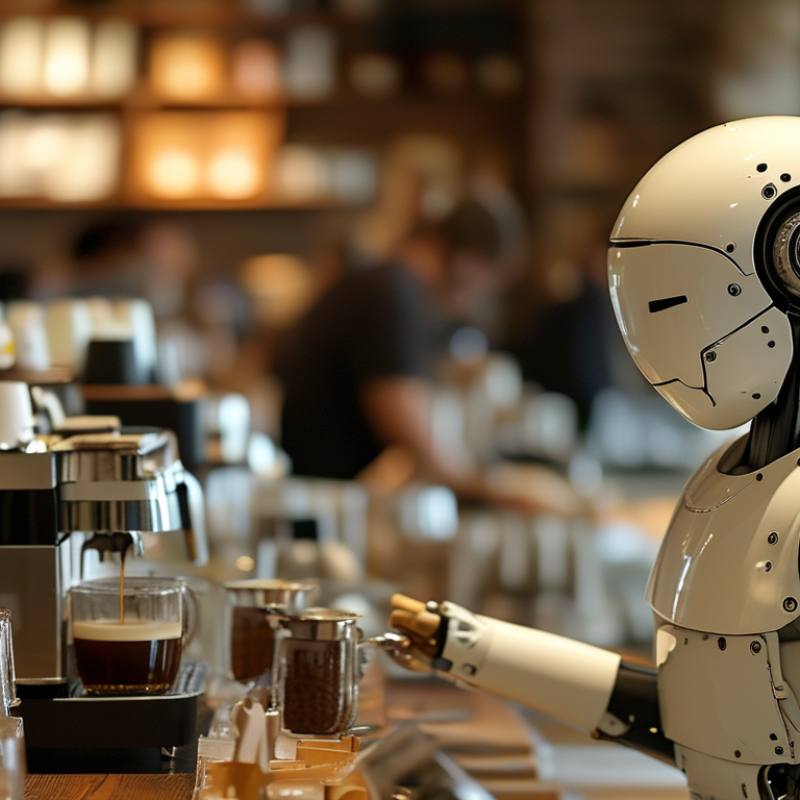
Understanding the Role of a Robot Barista in Modern Coffee Shops
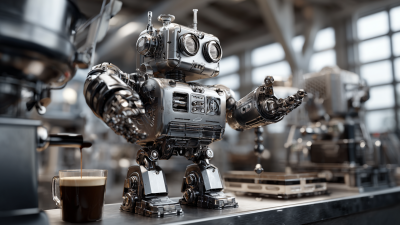
The role of a robot barista in modern coffee shops is rapidly evolving. These machines can brew coffee with precision. They can serve drinks consistently, which is vital during busy hours. However, their integration raises questions. Can they replicate the warmth of human interaction? Customers often seek a personal touch when ordering.
Robot baristas are capable of preparing various drinks. They can handle specialty coffee, froth milk, and even adapt recipes based on customer preferences. This efficiency allows human staff to focus on other essential tasks. Yet, the challenge remains: how do robots respond to unique customer requests? Flexibility is crucial in service industries, and robots may struggle here.
Implementing a robot barista also requires careful consideration of maintenance and failure rates. Machines can require repairs, which impact service availability. Additionally, the initial investment can be significant. Concerns regarding staff displacement also arise. Addressing these issues thoughtfully can lead to a balanced approach. Embracing technology while valuing human connections is essential for the future of coffee shops.
Key Features to Consider When Selecting a Robot Barista
When selecting a robot barista for your coffee shop, several key features should be prioritized. First, consider the brewing technology. Different robot baristas utilize various methods, such as espresso machines or filter coffee makers. Research shows that machines capable of producing espresso have a higher customer satisfaction rate, reaching up to 85% among caffeine lovers. The consistency of the beverage is crucial; machines with advanced temperature and pressure controls produce better quality coffee.
Ease of use is another significant factor. A user-friendly interface can impact your staff's efficiency. Many baristas report they appreciate systems that allow quick adjustments and easy maintenance routines. Data indicates that training times can be reduced by 40% with intuitive setups. Additionally, consider the size and design of the robot. The right fit for your shop’s layout can enhance customer experience and workflow.
Finally, think about customization options. Customers frequently seek personalized drinks. Machines that offer customizable settings can create unique beverages and cater to various tastes. However, be aware that some robots struggle with complex orders, making it essential for you to evaluate how well a machine can handle multiple drink requests simultaneously. Balancing these elements can lead to meaningful investment choices, impacting your shop's success.
How to Choose the Best Robot Barista for Your Coffee Shop? - Key Features to Consider When Selecting a Robot Barista
| Feature |
Description |
Importance |
Rating Scale (1-5) |
| Coffee Quality |
The taste and consistency of the coffee produced. |
High |
5 |
| Speed of Service |
Time taken to prepare and serve coffee. |
High |
4 |
| Ease of Use |
User interface and operation simplicity. |
Medium |
4 |
| Maintenance Requirements |
Frequency and complexity of maintenance tasks. |
High |
3 |
| Customization Options |
Ability to customize drinks and settings. |
Medium |
4 |
| Price |
Cost of the robot barista and its components. |
High |
2 |
| Energy Efficiency |
Power consumption during operation. |
Medium |
3 |
Assessing the Cost vs. Benefits of Robot Baristas for Your Business
When considering robot baristas for your coffee shop, evaluating cost against benefits is crucial. Initial investments can be significant. However, these machines often improve efficiency. They can handle multiple orders simultaneously without compromising quality. It's important to analyze labor savings and improved customer satisfaction in your calculations.
Staffing costs fluctuate, and robots can offer a solution. They work consistently and don’t require breaks. This can lead to reduced wait times for customers. Robots may also allow you to focus staff on more engaging customer service roles. Yet, the upfront cost can be daunting for small businesses.
Assess the unique needs of your shop. Investing in a robot barista might not suit every environment. Some customers prefer human interaction in cafes. It's essential to balance automation with the personal touch customers appreciate. Trialing the robot in a limited capacity can provide insights into its real-world benefits.
Finding the right balance is key. Understand that robot baristas are not a one-size-fits-all. Reflect on your business model, the type of clientele you attract, and how automation aligns with your vision. Investing wisely will help create a seamless blend of tech and hospitality.
Evaluating the Compatibility of Robot Baristas with Existing Equipment
When selecting a robot barista for your coffee shop, it's crucial to consider how well it integrates with your current equipment. Compatibility is key to ensuring seamless operations. If your espresso machines or grinders are not compatible, the robot might face challenges in delivering consistent quality. Some robots may require specific types of hardware that you may not currently own. Checking these specifications can save you from unexpected expenses.
Moreover, evaluate how the robot interacts with existing workflows. A robot barista should complement your staff rather than disrupt service. Evaluate the footprint of the robot. A bulky unit may limit movement in a small space. Sometimes, it’s about finding the right balance between automation and personal touch. An excessive focus on technology may alienate regular customers who appreciate the human connection.
Lastly, assess the software integration. Does the robot easily connect with your point-of-sale system? A system that requires constant updates or tech support may cause more headaches than benefits. Investigating these aspects can lead to better decision-making and long-term satisfaction with your investment. Careful planning is essential here.
Looking Ahead: Future Trends in Robot Barista Technology and Innovation
As technology advances, the landscape of coffee shops is rapidly changing. Robot baristas are becoming more prevalent, reshaping how businesses operate. Trends indicate a shift towards automation that enhances efficiency while maintaining a personal touch. Customers seek unique experiences, and modern robots can deliver specialized drinks with consistency and precision. This leads to higher customer satisfaction, but quality can vary.
The integration of artificial intelligence is noteworthy. Robots now learn customer preferences over time, creating tailored experiences. However, not all machines excel in understanding human nuances. A robot might understand orders, but it can miss the warmth of genuine interaction. The challenge remains in balancing efficiency with the personable service that patrons value.
Moreover, safety remains a concern. While robots can streamline operations, they require proper oversight to ensure a hygienic environment. Equipment failures can occur, leading to potential problems. Investing in reliable technology is crucial, but it is equally important to regularly assess and adapt systems to prevent issues. The future of robot baristas holds promise, but a cautious approach is necessary for a seamless blend of innovation and tradition.