How to Choose the Best Espresso Robot for Your Business?

Choosing the best Espresso Robot for your business is not simply a matter of comparing speed or price. It means matching a machine to your menu, counter space, staffing pattern, and customer expectations. Picture the morning rush: cups queue beneath the spouts, milk pitchers need cleaning, and a new employee is still learning the drink settings. Those details reveal what a product brochure may miss.

Cafe X founder Henry Hu’s public work offers a useful principle for buyers: automation should make quality coffee more consistent and accessible, not serve as a novelty alone. That distinction matters. A robot that pours quickly but produces uneven shots can frustrate regular customers. One with precise dosing, clear cleaning steps, and dependable support may fit a busy café better, even if its headline speed is lower. Test the workflow with your own beans and recipes.

Look beyond the demo. Ask how long routine cleaning takes, whether staff can adjust recipes, and what happens when the grinder or payment system needs attention. Check daily capacity against your busiest hour, not an idealized average. Compare installation, maintenance, training, and consumables alongside the purchase price. Small costs add up.

There is no perfect machine. A tempting feature may prove unnecessary, and a polished display cannot guarantee better coffee. The right choice is the one your team can operate consistently and your customers will welcome. Start with evidence from a real service trial, then question your assumptions.
How to Choose the Best Espresso Robot for Your Business?

Define Your Business Needs and Service Requirements

Before choosing an espresso robot, define what your business needs it to do during a real service shift. Record drinks sold per hour, peak queue length, and the share of milk-based orders. A hotel breakfast room may need fast, consistent output at 7 a.m.; a small office may value quiet operation and simple self-service. The difference matters. Estimate how often someone can refill beans, milk, and water, and who will clean the machine between rushes. Include counter space, power access, and any ordering or payment systems it must work with.

Set clear service requirements before comparing equipment. Decide your acceptable wait time, the drinks that must be available, and what staff should do when the robot needs attention. Ask suppliers for realistic throughput figures and test them with your menu, cup sizes, and expected order pattern. A machine that performs well in a demonstration may slow down when several customized drinks arrive together. One estimate will probably be wrong; review your assumptions after observing actual service for a few weeks.

Tips: Run a short trial during your busiest period. Track wait times, refill interruptions, cleaning effort, and customer feedback. Keep the notes specific, such as “milk refill needed twice before noon,” rather than relying on general impressions.

Compare Espresso Robot Types and Core Capabilities

How to Choose the Best Espresso Robot for Your Business?

Compare Espresso Robot Types and Core Capabilities

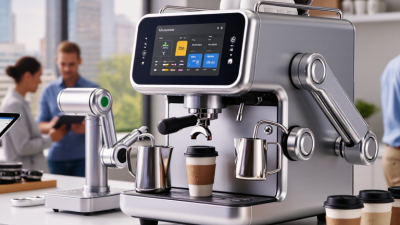
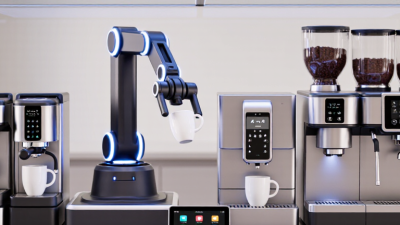
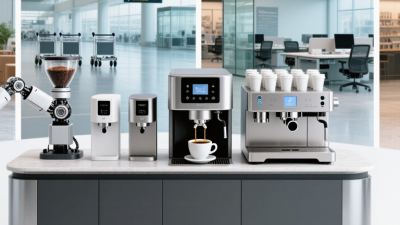
Espresso robots generally fall into two groups: compact automated stations and robotic-arm systems. Compact units integrate grinding, dosing, brewing, and sometimes milk steaming in one footprint. They suit counters with limited space and a predictable menu. Robotic-arm systems can move cups between stations and handle more varied workflows, but need room, careful setup, and staff oversight. The International Federation of Robotics reported 205,000 professional service robots sold in 2023, up 30% from 2022. That figure covers many industries, not espresso machines, but signals wider commercial interest in automation.

Compare practical capabilities, not just speed claims. Check whether the machine adjusts dose, controls extraction, steams milk consistently, and flags cleaning needs. Ask for measured drinks per hour under your actual menu, including rush periods and drink changes. A fast demo may hide slow refills or awkward cup placement. Still, a robot cannot rescue a poorly designed counter.

Tips: Test it during a realistic service simulation. Place cups, milk, and beans where staff will actually reach them. Record setup time, cleaning steps, noise, and failed drinks. Then calculate the cost of maintenance and downtime alongside labor savings. Small details matter. And one limitation is easy to overlook: unusual orders may still need a human touch.

How to Choose the Best Espresso Robot for Your Business? — Compare Espresso Robot Types and Core Capabilities

System Type How It Works Automation Level Menu Flexibility Service Capacity Space and Setup Best Suited To Main Trade-Off
Robotic-arm espresso kiosk A programmed arm handles selected tasks such as moving cups, operating controls, or presenting finished drinks. Espresso equipment and other modules are integrated into the station. High for repeatable, programmed tasks; remote monitoring and payment can also be integrated. Moderate to high, depending on the espresso machine, milk system, recipes, and software configuration. Potentially high during steady demand; actual output depends on cycle time, drink mix, and whether tasks can run in parallel. Usually requires a dedicated counter or kiosk, reliable utilities, and space for ingredients, cups, and cleaning access. Unstaffed or lightly staffed locations, transport hubs, offices, and venues that need consistent service beyond typical staffed hours. More complex installation and maintenance than a conventional coffee station; the programmed workflow may be less adaptable to unusual requests.
Enclosed robotic barista cell A robotic mechanism works inside a guarded station with coordinated equipment for coffee preparation, milk handling, and drink handoff. Very high when the cell automates most preparation steps and includes order control, cleaning routines, and fault monitoring. High when recipes and ingredient modules are configurable; custom drinks may require additional setup and testing. Designed for repeatable service. Peak throughput depends on bottlenecks such as milk steaming, cup movement, and cleaning cycles. Typically needs a planned installation with sufficient clearance for servicing, ventilation where required, and accessible water and power. High-volume sites seeking a standardized menu and a consistent customer experience with limited routine staff involvement. Greater equipment and integration complexity; a fault in one component can interrupt the complete workflow.
Super-automatic espresso station An integrated machine grinds beans, doses and tamps coffee, brews espresso, and may prepare milk drinks at the touch of a button. It uses machine automation rather than a robotic arm. High for drink preparation; staff or customers generally handle cup placement, replenishment, and routine cleaning. Moderate. Common espresso and milk drinks are straightforward; control over extraction and presentation varies by machine. Often suitable for steady self-service or staff-service demand; real output varies by model, drink selection, and refill or cleaning needs. Generally more compact and simpler to install than a full robotic cell, though water, drainage, power, and service access still matter. Hotels, offices, cafeterias, and businesses that want consistent drinks without operating a traditional espresso workflow. Less theatrical and less flexible than a robotic kiosk or skilled barista setup; milk and beverage options depend on the machine configuration.
Semi-automatic espresso station with workflow automation A person prepares drinks using an espresso machine and grinder, supported by tools such as programmable dosing, scales, timers, or order-display software. Low to moderate. Technology can improve repeatability, but a person performs key preparation and customer-service tasks. High. Staff can adjust recipes, milk texture, and presentation, subject to training and equipment. Can handle busy service with an experienced team and a well-organized bar; speed depends strongly on staffing and workflow. Requires a staffed counter, suitable plumbing and power, ingredient storage, and room for preparation and cleaning. Specialty cafés and hospitality businesses that value hands-on service and a broad, customizable menu. Requires trained staff and consistent procedures; service speed and drink consistency can vary between operators.
Compare system capabilities at a high level. Capacity and installation requirements vary by equipment configuration, menu, site conditions, and operating procedures.

Selection tip: Define expected peak demand, menu complexity, staffing availability, cleaning responsibilities, service access, and total operating cost before choosing a system. Request a live workflow demonstration using your expected drink mix.

Assess Capacity, Speed, and Beverage Quality

Choose an espresso robot by measuring peak-hour demand, not by trusting its advertised maximum. The National Coffee Association’s 2024 National Coffee Data Trends report found that 67% of U.S. adults had coffee in the past day, and 45% had specialty coffee. That signals broad demand, but it does not predict your shop’s rush. Track orders in fifteen-minute intervals, then check whether the machine can keep pace without leaving customers waiting.

Test the robot with your actual menu, cups, and milk. Time several back-to-back drinks, including milk-based orders that require steaming and rinsing. A fast first cup means little if the next one slows down.

Taste espresso from the first shot and after a busy run; compare temperature, crema, and flavor. Small differences matter. A robot can repeat a recipe, but stale beans, poor calibration, or rushed cleaning still undermine the cup. I would test it during a real service period, not just a polished demo. Averages can mislead.

Tips: Record drinks per hour, recovery time, and remakes during a live trial. Ask staff to note awkward cleaning steps. Then retest after adjusting the recipe.

Calculate Total Costs and Expected Return on Investment

Before choosing an espresso robot, model its full cost over several years, not just the purchase price. Include installation, staff training, financing, cleaning supplies, scheduled servicing, and replacement parts. Then estimate monthly benefits using drinks actually sold, not the machine’s advertised capacity.

For example, 30 additional drinks per day, each contributing $2 after ingredients and packaging, over 26 trading days would generate $1,560 in monthly gross contribution.

That is not pure profit. Deduct service costs, extra electricity, payment fees, and any labor that remains necessary. Small details matter.

Compare the result with your current workflow. If the robot saves 90 minutes of paid labor each day, calculate the saving using your actual wage and staffing schedule. Add that figure to the drink contribution only when it does not double-count sales or labor.

A useful estimate is monthly net benefit divided by total upfront cost; payback time is upfront cost divided by monthly net benefit.

Test a cautious case with fewer drinks and occasional downtime. That estimate can be wrong. Track order volume, drink waste, and maintenance visits for several weeks before relying on it.

Also consider peak-hour queues: a machine that performs well at noon may sit idle after lunch. The spreadsheet may look neat. Real shifts rarely do.

Evaluate Installation, Maintenance, and Supplier Support

How to Choose the Best Espresso Robot for Your Business?

An espresso robot should fit your actual service space, not just a showroom floor. Measure doorways, counter depth, ventilation clearance, and the route for moving the unit. Confirm water, drainage, and electrical requirements with a qualified installer before signing. Ask who handles site checks, setup, calibration, and staff training. Small details matter. A machine that blocks a storage door can complicate every shift.

Maintenance needs to be practical during busy hours. Check how staff access brewing components, remove waste, and clean milk-contact parts. Ask for the recommended daily and weekly routines, plus realistic service intervals. Request a written list of consumables and replacement parts, including typical delivery times. A polished demonstration can hide awkward cleaning steps. If possible, observe a full cleaning cycle, not just drink preparation.

Supplier support can determine how quickly service resumes after a fault. Ask whether help is available by phone or remote connection, what response times are typical, and when an onsite technician is needed. Clarify warranty coverage, training for new employees, and access to service documentation. Get these details in writing. I might be overcautious, but friendly promises are harder to use than a clear support plan. A short trial in your own workflow can reveal issues that a checklist misses.