2026 Best Robotic Coffee Bar for Global Buyers

A Robotic Coffee Bar can serve more than a novelty role in a hotel lobby, airport, office, or retail space. In 2026, global buyers are weighing practical questions: How quickly can it prepare a drink? How much floor space does it need? Can local technicians maintain it? The answers depend on the machine, menu, site conditions, and service network. There is no single best model for every location.

Small details matter. A grinder’s sound may affect a quiet lobby. A narrow service hatch can slow restocking during a busy morning. Buyers should compare drink consistency, cleaning routines, ingredient capacity, payment options, and real support response times. Ask suppliers for documented test results and clear warranty terms. Check whether the equipment suits local power and water conditions, and confirm which languages its interface supports. Details vary by market.

This guide helps buyers assess leading options with a focus on daily operation, not showroom appeal. It explains features, costs, deployment needs, and questions to raise with vendors. A polished demonstration is useful, but it cannot show every rough edge. Some maintenance estimates may prove optimistic. That deserves attention. The strongest choice is not always the most automated or the most expensive. It is the one that fits a specific site, serves customers reliably, and has credible support after installation. A careful comparison can reduce surprises, though no checklist can replace a site visit and a practical trial.
2026 Best Robotic Coffee Bar for Global Buyers

What a Robotic Coffee Bar Is and How Its Components Work

2026 Best Robotic Coffee Bar for Global Buyers

What a Robotic Coffee Bar Is and How Its Components Work

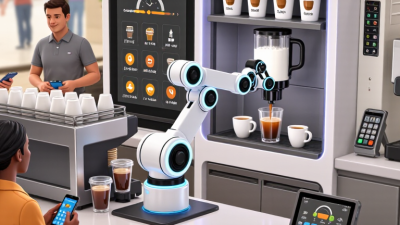
A robotic coffee bar combines ordering software, drink-making equipment, sensors, and robotic movement in one service system. A customer selects a drink on a screen; the control software sends instructions to grinders, brewers, and milk dispensers. A robotic arm may move cups between stations. Cameras and sensors help check cup position and detect spills. Small details matter.

The International Federation of Robotics’ World Robotics 2024 report recorded nearly 205,000 professional service robots sold in 2023, up 30% year over year. That figure covers many applications, not coffee bars alone, but it shows growing adoption of service automation.

A reliable setup also needs cleaning routines, ingredient monitoring, and staff access for refilling or repairs. Automation can make steps repeatable, but it cannot rescue poor recipes or stale beans. That part is easy to overlook. The National Coffee Association’s 2024 National Coffee Data Trends report found that 67% of U.S. adults had coffee the previous day, a useful demand snapshot, not a global forecast.

How Robotic Coffee Bars Prepare, Customize, and Serve Drinks

A robotic coffee bar begins with a clear order: drink size, milk choice, sweetness, and temperature. The system routes that selection to calibrated dispensers and a brewing unit. Fresh beans are ground for the chosen recipe, while measured water passes through the brew basket. Small details matter. A few grams of coffee can change the cup’s strength.

Customers can adjust their drinks without slowing down a busy counter. They might choose oat milk, request less syrup, or select an extra espresso shot. Sensors and timed pumps help keep portions consistent, and a robotic arm can move the cup between stations. The finished drink should be checked for a secure lid and a clean rim. Not every order goes perfectly.

Reliable service depends on more than automation. Staff need to refill beans and milk, clean contact points, and check that grinders and dispensers remain calibrated. A blocked nozzle can affect texture; a low ingredient level can interrupt an order. Customers may also find customization confusing if options appear too quickly on a screen. Clear prompts help, but they do not replace attentive maintenance or a person ready to fix a mistake.

Automation Technologies and Features to Compare

For global buyers, compare the automation behind the counter, not just the finished drink. Check how the robotic arm handles different cup heights, lids, and ingredient containers. A useful demonstration should include a busy-period workflow, not only one perfect order. Small details matter.

Review the ordering system, language options, payment integration, and menu controls. Ask whether staff can adjust recipes without specialist support. Sensors should detect misplaced cups and spills, while the machine should pause safely when a task fails. Request measured drink-preparation times and cleaning instructions. A glossy screen is not proof of reliable operation.

Also compare daily cleaning time, water use, noise, and access to replacement parts. Ask for maintenance intervals, remote-support coverage, and realistic uptime records from comparable installations. Verify electrical compatibility and relevant food-safety documentation for each destination market. A polished demo can hide awkward refills or slow recovery after an error. That is easy to overlook. No system removes every staffing or service challenge, and I would treat unusually broad performance claims cautiously. Test the workflow with your own cups, menu, and peak-hour order pattern before committing.

How Global Buyers Assess Capacity, Cost, and Compliance

2026 Best Robotic Coffee Bar for Global Buyers

How Global Buyers Assess Capacity, Cost, and Compliance

The International Coffee Organization’s Coffee Report and Outlook estimated global coffee consumption at 177 million 60-kilogram bags in 2023/24. Demand alone does not prove a machine can handle a rush. Ask for witnessed peak-hour tests covering drinks per hour, refill time, and recovery after faults. Use real recipes and cleaning cycles, not just empty-cup demonstrations. Small gaps matter.

The International Federation of Robotics’ World Robotics 2024 report recorded nearly 205,000 professional service robots sold in 2023, up 30% year over year. This figure spans sectors; it is not a coffee-bar sales count. Buyers should also examine uptime, local service coverage, spare-part lead times, and safe access for cleaning. Compare purchase, installation, utilities, ingredients, software, and maintenance costs per drink. A spreadsheet can still flatter.

For food safety, Codex Alimentarius’ General Principles of Food Hygiene, revised in 2022, offer a useful baseline. Check food-contact materials, allergen handling, temperature records, and cleaning validation against destination-market requirements. ISO 22000:2018 can inform food-safety management, but certification does not replace local approvals. Ask who keeps the logs, and how staff can verify them when sensors fail. That question is easy to overlook.

Installation, Staffing, Maintenance, and Ongoing Operations

A robotic coffee bar is not a plug-and-play appliance. Its performance depends on the room, utilities, workflow, and local service capacity. Before purchase, map the installation site. Measure doorways and counter clearance, then confirm drainage, electrical load, ventilation, and network access. Request documented utility requirements and commissioning steps. A floor plan helps, but an on-site survey catches awkward details, such as a drain behind a fixed cabinet. Installation should include calibration, recipe testing, payment checks, and staff sign-off before service begins.

Staffing still matters. Assign a trained operator to restock beans, milk, cups, and cleaning supplies, then inspect the machine during each shift. Automation reduces repetitive preparation; it does not replace customer support or food-safety routines. Keep instructions near the service area, with clear escalation contacts. Short drills help. New staff may find the workflow confusing at first, so allow time for practice rather than assuming the interface is self-explanatory.

Maintenance needs a written schedule based on actual use, not calendar reminders alone. Record cleaning, filter changes, error codes, downtime, and replaced parts. Confirm spare-part availability, support hours, and technician coverage before deployment, especially across borders. Track drink wait times and waste each week. These figures can reveal recurring problems, though they will not explain every cause. No system is maintenance-free. A missed milk-line rinse can affect taste and hygiene, even when the screen reports normal operation.