Why Choose a Coffee Machine Robot for Your Business?
Why Choose a Coffee Machine Robot for Your Business?
A Coffee Machine Robot can change how customers experience service during busy hours. It prepares drinks with repeatable movements, measured doses, and controlled brewing times. This consistency matters when queues form beside a reception desk, airport gate, or office lobby. Every cup should look familiar. Every time.
James Hoffmann, respected coffee author and World Barista Champion, has said, “Coffee is a fruit, and it should be treated like one.” His point remains important for automated service. Technology should not hide poor beans, stale milk, or careless maintenance. A robot can improve precision, but it cannot rescue weak coffee management. That part remains human.
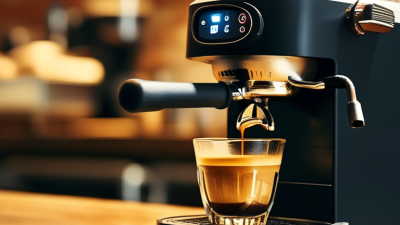
Businesses may choose this system to reduce repetitive workload and extend service hours. A compact unit can operate in limited spaces, display drink options clearly, and record basic sales data. Staff can focus on hospitality, cleaning, restocking, and customer questions. Customers see the process. The grinder starts. Fresh coffee falls into the portafilter. Milk warms in a measured cycle.
Still, automation is not a perfect answer. Purchase costs, technical support, training, and downtime require careful planning. A robot may disappoint customers if the menu feels too narrow. It may also struggle with unusual requests. That is worth admitting.
The strongest business case combines automation with responsible oversight. Choose equipment with reliable cleaning routines, accessible service support, and adjustable recipes. Test it during real rush periods, not only quiet demonstrations. A Coffee Machine Robot should support your team, protect drink quality, and create a smoother customer journey. That is the real measure of value.
What Is a Coffee Machine Robot?
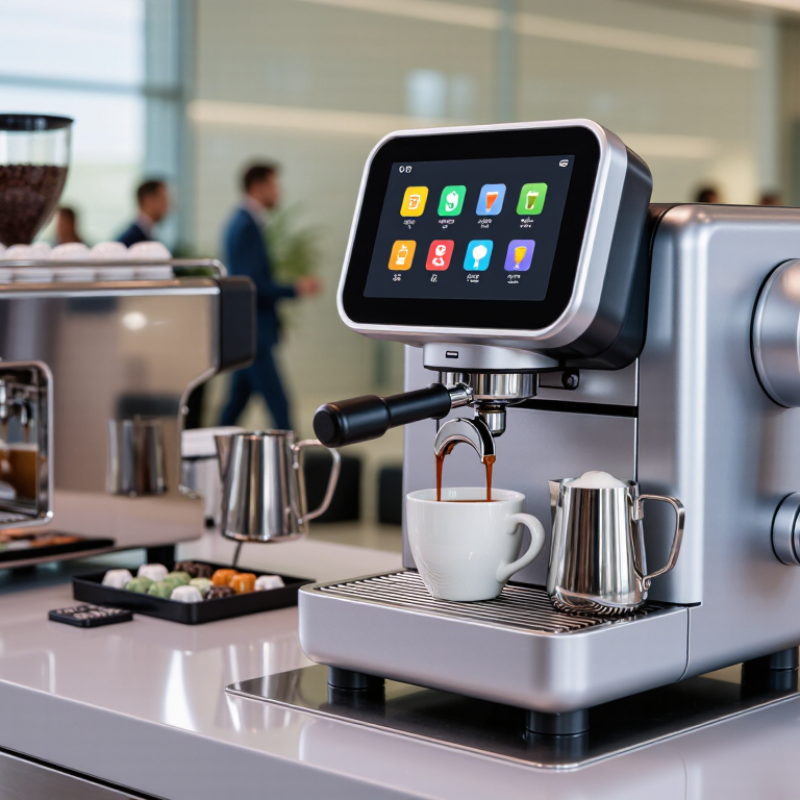
A coffee machine robot is an automated beverage station that combines coffee equipment, sensors, software, and mechanical movement. It can grind beans, measure ingredients, brew drinks, and place cups for collection. Some systems also manage milk, ice, and cleaning cycles. In a busy workplace, this means fewer repetitive tasks for staff during morning rushes.
From practical observation, the robot works best when its workflow matches the site. A compact office may need fast espresso and simple controls. A hotel lobby may require quieter operation and a wider drink menu. Sensors can monitor water levels, cup positions, and brewing conditions. However, automation is not magic. Poor calibration can create weak coffee, misplaced cups, or unnecessary delays. Staff still need training, inspection routines, and a clear response plan when the machine stops.
Tips: Check the robot’s cleaning process before installation. Confirm that employees can refill beans, milk, and cups safely. Keep a manual service record. Test several drinks during peak hours, not only in a quiet showroom. Also, ask how the system handles errors. This detail is easy to overlook. A reliable coffee machine robot should improve consistency while leaving people responsible for quality decisions.
How Does a Coffee Machine Robot Work?
A coffee machine robot combines automated brewing equipment with software that manages each order. A customer selects a drink on a touchscreen or connected ordering system. The machine then measures coffee beans, grinds them, and adjusts the dose for the selected recipe. Water is heated to a controlled temperature before passing through the coffee grounds at monitored pressure.
Milk preparation follows a separate process. Sensors track the milk level and temperature, while an internal system creates steamed or chilled milk according to the drink settings. A robotic arm may move the cup between brewing, milk dispensing, and serving areas. The result can be consistent during busy periods, especially when staff need to handle several orders at once.
It is not completely effortless. Foam texture may change when milk temperature, humidity, or ingredient quality shifts. Regular calibration matters. Staff should check the grinder, clean contact surfaces, refill supplies, and review error alerts every day. This practical oversight improves reliability and supports food-safety procedures. Some systems also record brewing times and maintenance data, helping operators identify slow cycles or repeated faults. Quiet operation is useful in offices and hospitality spaces, although the machine can still produce noticeable grinding noise. Human judgment remains necessary. Automation reduces repetitive work, but it does not replace careful service.
What Business Benefits Does It Provide?
For a busy café, a coffee machine robot can turn repeated drink preparation into a measured, predictable process. It grinds beans, controls water temperature, and follows programmed recipes with consistent timing. During a morning rush, staff can focus on welcoming customers, checking orders, and handling unusual requests. That shift may reduce queue pressure and make service feel calmer. Small details matter. A clear cup station, steady milk texture, and automatic cleaning prompts can improve the working rhythm.
The financial benefit is not simply “fewer employees.” That assumption deserves caution. A robot still needs trained supervision, ingredient refills, sanitation checks, and technical support. However, it can help businesses serve more drinks within the same floor space and reduce mistakes caused by fatigue. Digital records may show peak hours, popular recipes, and ingredient waste. Managers can use this evidence when planning labor and purchasing supplies. In offices, hotels, or transport hubs, self-service operation can extend service hours without building a full counter team.
Customers also gain a visible, interactive experience. Watching a robotic arm pour milk or place a lid can create curiosity and encourage social sharing. Yet novelty fades quickly if the coffee tastes average or the interface confuses people. Businesses should test accessibility, payment security, emergency stops, and cleaning routines before installation. A poorly planned machine may become an expensive display. Regular human review remains essential when recipes, customer expectations, or local operating requirements change.
Why Choose a Coffee Machine Robot for Your Business?
What Business Benefits Does It Provide?
A coffee machine robot can extend service availability beyond a conventional staffed shift. The chart compares weekly operating-hour capacity: 8 hours per day equals 56 hours per week, 12 hours per day equals 84 hours per week, and continuous 24-hour operation equals 168 hours per week. Actual availability depends on maintenance, replenishment, site access, and safety requirements.
Which Features Matter When Choosing One?
Why Choose a Coffee Machine Robot for Your Business?
Which Features Matter When Choosing One?
A coffee machine robot can reduce waiting time during busy service periods. In my experience, speed matters most between 8 and 10 a.m. Look for a system with stable brewing temperature, accurate grinding, and adjustable drink sizes. Consistent extraction protects flavor when different staff members operate the machine. A clear touch interface also reduces training time. It should feel simple.
Capacity deserves careful attention. Check the water tank, bean container, waste drawer, and daily drink limit. A small café may need compact storage, while a hotel lobby needs faster recovery between orders. Automatic rinsing and removable food-contact parts make cleaning more practical. Still, automation does not remove responsibility. Staff must inspect milk lines, seals, and drip trays every day.
Reliable machines should record errors clearly and allow quick maintenance access. Remote monitoring can help managers notice low water, full waste containers, or repeated faults. However, connectivity is not always essential. A poor network can make a smart feature frustrating. Ask about service response times, spare parts, warranty terms, and software updates before purchasing. Safety sensors, stable construction, and accessible controls also matter. I once underestimated noise levels, and the machine disturbed nearby conversations. That small detail changed the customer experience. Test the sound, workflow, and cleaning process in a real operating environment before making a decision.