Top 10 Best Robotic Barista Coffee Machines for Buyers
A Robotic Barista Coffee Machine can turn a crowded morning counter into a more predictable coffee station. With one touch, some models grind beans, brew espresso, and texture milk, while others still need a little hands-on help. That difference matters. This guide compares ten options through practical buying questions, not just glossy feature lists. How much counter space does each machine need? Can a tall travel mug fit beneath the spout? Are the grinder settings and milk controls easy to adjust?
The best choice depends on your routine, budget, and willingness to clean. A large bean hopper may suit a busy household, but it also takes up room. Automatic milk systems save effort, yet their tubes and containers need regular rinsing. No machine is truly maintenance-free. We also consider drink variety, interface clarity, noise, warranty details, and the availability of replacement parts. Where specifications vary by model or region, buyers should confirm them with the manufacturer before ordering.
Convenience has limits. A machine may produce repeatable drinks without matching the control of a skilled barista, and results can change with beans, grind size, and water. That is worth remembering. The rankings aim to help readers compare realistic strengths and compromises, rather than promise a perfect cup. Whether you want a quick morning cappuccino or a machine for several daily drinks, the right fit should make your routine easier—not add another complicated appliance to the counter.
What Defines a Robotic Barista Coffee Machine
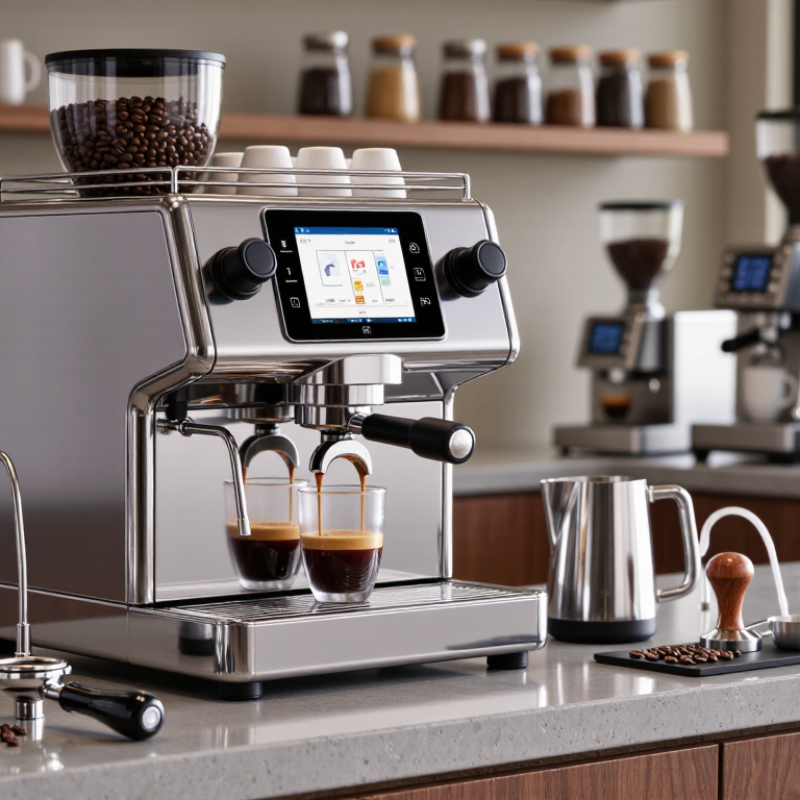
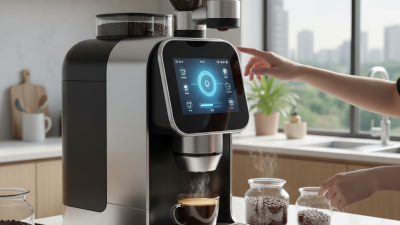
A robotic barista coffee machine does more than dispense a preset drink. It coordinates several steps: grinding beans, dosing coffee, tamping, brewing, and, in some models, steaming milk. Sensors and software help control variables such as water temperature and extraction time. Look for visible evidence of that control, such as adjustable recipes, alerts for low supplies, and a cleaning cycle. Small details matter. A milk wand that leaves dried residue can undermine an otherwise consistent workflow.
The International Federation of Robotics reported about 205,000 professional service robots sold worldwide in 2023. That figure covers many applications, not coffee machines alone, so it should not be read as a barista-machine sales estimate. The National Coffee Association’s 2024 National Coffee Data Trends report found that 67% of U.S. adults had coffee in the past day, underscoring the routine these machines aim to serve. Still, the label can mislead. A machine may automate brewing while leaving milk preparation, cup placement, or cleaning to staff. Buyers should check drink range, refill frequency, cleaning access, and how the machine handles recipe changes. Automation is not judgment. Human oversight still matters.
How Robotic Barista Machines Prepare Coffee
A robotic barista machine turns a selected drink into a sequence of measured steps. The user chooses a recipe, cup size, and often a strength setting. A built-in grinder doses beans into the brew unit, where the grounds are compressed. The machine then heats water and pushes it through the coffee under controlled pressure. Sensors may track temperature, flow, or brewing time, though features vary by model. For milk drinks, a separate system may steam or froth milk before dispensing it into the cup.
Tips: Use fresh beans and keep the hopper dry. Check that the cup fits beneath the spout before starting. Clean the milk pathway promptly after use; dried residue can affect flavor and hygiene. Small details matter.
Automation improves consistency, but it cannot make every bean taste the same. Roast level, grind setting, and water temperature all influence the cup. If coffee tastes thin or bitter, change one setting at a time and compare results. The first adjustment may not help. That is normal. Also inspect the drip tray and grounds container regularly, since a full compartment can interrupt service. A machine’s screen may suggest a cleaning cycle, but following the manual is more reliable than guessing.
How Robotic Barista Machines Prepare Coffee
The chart shows indicative seconds for a typical automated espresso-based drink workflow. Actual timings vary by machine, recipe, and whether steps such as grinding or milk steaming happen concurrently.
Key Features to Compare Before Buying
When comparing robotic barista coffee machines, focus on drink consistency, not the number of menu icons. A capable machine should dose beans, adjust grind size, and control water temperature with repeatable settings. Check whether you can change shot volume and milk texture. One espresso can look polished while tasting thin. Taste it twice.
Inspect the milk system closely. Does it steam milk fresh, or use a chilled container and automatic frothing? Look for clear steps to rinse milk pathways, remove nozzles, and wash detachable parts. A quick rinse is convenient, but dried milk can collect in narrow channels. Listen during a full drink cycle, too; pumps and grinders may seem louder in a quiet kitchen than in a showroom.
Compare daily capacity, hopper size, water-tank access, and the space needed to open service panels. Touchscreens should make everyday drinks easy to find, and alerts should explain what needs attention. Ask about replacement filters, cleaning supplies, and service access. These costs are easy to overlook. If possible, test two drinks back to back, including one with milk. Check cup clearance and whether settings stay saved. Specifications help, but they cannot show every awkward step. A slightly imperfect workflow may matter more than a long menu.
Top 10 Robotic Barista Coffee Machines for Buyers
Top 10 robotic barista coffee machines for buyers should be compared by the jobs they handle, not by flashy screens. A useful shortlist includes compact machines for small counters, high-capacity units for busy homes, milk-focused models, dual-drink systems, and machines with adjustable grinders. Also consider simple-control designs, quieter machines, easy-clean systems, models with removable brew groups, and units with accessible service support. These ten strengths suit different routines; no single machine leads every category.
Watch the details during a demonstration. A grinder that adjusts in small steps can help you tune a shot when beans change. Check whether milk frothing accepts your preferred milk and whether its tube or carafe comes apart for cleaning. A clear display is helpful, but it cannot fix stale beans or poor calibration. Small things matter.
Think about daily upkeep before paying for extra automation. Some machines rinse themselves, yet still need regular descaling, grounds-bin emptying, and milk-system cleaning. Measure counter depth, including space for the water tank and bean lid. Ask how replacement parts and repairs are handled. Convenient? Usually. Maintenance-free? No. I would compare drink consistency over several cups, not just one polished sample; a quick showroom test can be misleading.
How to Choose the Right Machine for Your Needs
Choosing a robotic barista coffee machine starts with your daily routine, not its drink count. If you make two milk-based coffees before work, check how quickly the machine heats and whether it can prepare drinks in sequence. A built-in grinder saves counter space, but adjustable grind settings matter more than a long menu. Small detail. Measure the machine beside your kettle, and leave room to open its water tank and grounds drawer. Also check whether the milk system rinses automatically or needs hand cleaning after each use. That task can become annoying.
Tips: Compare the cleaning steps, not just the advertised features. Look for clear instructions, removable parts, and accessible replacement filters. Check the noise level if your kitchen is open to a bedroom. Ask how often descaling is required for your local water.
Think about who will use the controls. A clear display and adjustable coffee strength can help different household members get consistent results. If you enjoy experimenting with temperature or milk texture, confirm those settings are genuinely adjustable. Some machines promise café-style drinks but offer limited control. I might be overvaluing flexibility; simple presets can be more useful on rushed mornings. Check warranty coverage and the availability of routine service before buying, since a complex machine may need more support than a basic brewer.
Top 10 Best Robotic Barista Coffee Machines for Buyers - How to Choose the Right Machine for Your Needs
This comparison ranks common automatic coffee-machine configurations by their suitability for different buyers. It describes typical capabilities rather than specifications of particular products; exact drinks, settings, and cleaning requirements vary by model.
| Rank | Machine type | Typical coffee options | Milk preparation | Automation and customization | Main advantages | Trade-offs to consider | Best suited to |
|---|---|---|---|---|---|---|---|
| 1 | One-touch bean-to-cup with milk carafe | Espresso, coffee, cappuccino, and latte-style drinks, depending on the model | Automatic milk frothing from a detachable or integrated carafe | Usually offers preset drinks; some models allow adjustment of strength, volume, or milk quantity | Convenient preparation of milk drinks with limited hands-on work | The milk system needs regular rinsing and cleaning; preset recipes may limit control | Households that make milk-based drinks frequently |
| 2 | Compact bean-to-cup machine with manual milk wand | Espresso and coffee; milk drinks can be prepared by adding frothed milk | Milk is steamed or frothed separately by the user | Automatic grinding and brewing, with more user involvement for milk drinks | Typically simpler to clean than a machine with an automatic milk circuit | Making café-style milk drinks requires practice and extra steps | Small kitchens and buyers who mainly drink espresso or black coffee |
| 3 | Automatic machine with a guided steam wand | Espresso and coffee; milk-based drinks depend on the user's technique | A wand assists with steaming or frothing, but the user positions and handles the milk jug | Automates some brewing steps while retaining hands-on milk preparation | Offers more involvement in milk texture than a fully automatic carafe system | Requires cleaning of the wand after use and some steaming practice | Buyers who want a balance between convenience and barista-style participation |
| 4 | Bean-to-cup machine with two bean hoppers | Espresso and coffee from either of the selected bean types | Varies by model; may be manual or automatic | Allows the user to select between two stored bean options; drink customization varies | Useful for keeping two roast styles or regular and decaffeinated beans available | Hopper capacity and switching behavior differ; beans still need appropriate storage | Homes where drinkers prefer different coffees or want a decaffeinated option |
| 5 | Automatic machine with an iced-coffee program | Hot espresso or coffee and, on some models, a dedicated cold or iced recipe | Usually separate from the cold-drink function; milk options depend on the machine | A dedicated program may adjust brewing for a cold serving, but features vary by model | Provides a convenient starting point for cold coffee drinks | An iced-coffee setting is not necessarily the same as cold brew, which uses a different brewing method | People who regularly make chilled coffee drinks |
| 6 | Connected bean-to-cup machine with app control | Common espresso and coffee recipes, with selection depending on the model | May be manual or automatic | Compatible models can provide app-based controls or recipe selection; connectivity features are model-specific | Can make drink selection or saved preferences more convenient | App features may require a compatible phone, network connection, and ongoing software support | Buyers who value connected controls and digital customization |
| 7 | Touchscreen bean-to-cup machine with customizable recipes | Multiple preset drinks, often including espresso, coffee, and milk-based options | Automatic or manual, depending on the configuration | A screen may provide drink selection and adjustment of supported settings such as volume or strength | Easy access to multiple recipes and, on some models, personalized drink settings | A larger menu does not guarantee better coffee; menu and adjustment options vary | Households with several users who want different drink preferences |
| 8 | High-capacity automatic machine for shared spaces | Typically a selection of espresso and coffee drinks; menu depends on the machine | May have automatic milk preparation or a separate milk system | Designed for repeated use, with automatic brewing and varying levels of user control | Can serve multiple users without requiring a manual espresso workflow for every cup | Capacity, cleaning workload, and service needs should be checked against expected daily use | Busy homes, small workplaces, or shared break areas |
| 9 | Commercial super-automatic espresso machine | A selectable menu of espresso-based drinks, determined by its configuration | Often automated, but the exact milk system differs by machine | Automates much of the grind-to-cup process and may offer user-facing drink controls | Designed for frequent service and repeatable preparation in commercial settings | Requires a suitable installation, regular maintenance, and service planning | Cafés, hospitality venues, and other professional settings |
| 10 | Automatic espresso machine with separate grinder | Espresso and espresso-based drinks, depending on the machine and accessories | Often handled with a steam wand; automation varies | May automate selected brewing steps while allowing separate adjustment of grinding or milk preparation | Separate components can offer flexibility in grinder choice and workflow | Takes more counter space and usually involves more setup and cleaning than an integrated machine | Buyers who want an automatic brewing workflow but prefer modular equipment |
Related Posts
-
How to Buy a Robotic Coffee Bar in 2026?
-
Maximize Your Coffee Production Efficiency with the Ultimate Guide to Coffee Robot Machines
-
2026 Top Coffee Robot Machine Innovations and Trends?
-
How to Choose the Best Coffee Robot Machine for Your Home?
-
2026 Best Robotic Barista Coffee Machine for Businesses?
-
Revolutionizing Coffee Experience with Next Generation Robotic Barista Solutions